
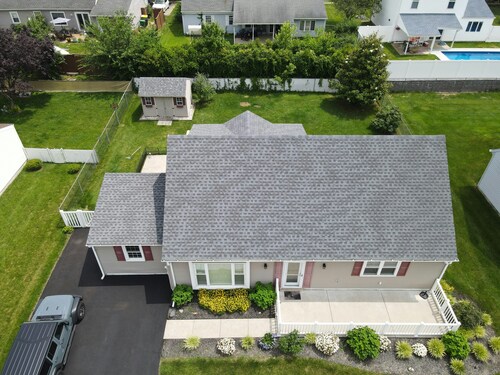
Roof replacement demands significant investment from homeowners. Many focus solely on installation costs, but the full price includes several other expenses. Understanding all the factors involved is crucial for a well-rounded decision.
The roof replacement cost breakdown on a 1600 square foot house involves more than just installation. Elements like materials, labor, and hidden services can greatly influence the total cost. This article provides a complete cost breakdown and offers insights on how to plan the budget effectively for a 1,600-square-foot home.
Factors Affecting the Total Roof Replacement Cost
When considering a roof replacement, many factors influence the price. The quality of materials plays a key role. The scope of the project also affects costs. The condition of the existing roof can impact the overall price.
Labor costs will vary depending on the complexity of the job. Each element contributes to determining the final cost of the replacement. Homeowners should consider all these factors before making a decision.
Material Choices and Their Impact on the Final Price
The roofing materials selected will have the largest impact on the total roof replacement cost. There are a variety of materials available, each with its own price range. Here is a breakdown of popular options:
- Asphalt shingles: A common choice due to affordability and ease of installation.
- Metal roofing: Known for its durability and long lifespan.
- Slate or tile: High-end materials that provide a unique look and exceptional durability.
Each material offers a different combination of durability, aesthetic appeal, and cost, so balancing preferences with the budget is essential.
Labor Costs in Roof Replacement Projects
Labor costs are a significant part of any roof replacement project. These costs can vary depending on the region and the complexity of the work involved. Typically, labor makes up a substantial portion of the total project cost. Experienced roofers may charge higher rates due to their skills and the quality of work they provide.
Additionally, if the roof requires complex removal, such as tearing down multiple layers of old roofing, labor costs will rise. The availability of local roofing contractors can also affect the price, as areas with a higher demand for services may see elevated labor costs.
Permits and Inspections: Hidden Costs to Consider
In some areas, permits are required for a roof replacement, adding extra costs. Permitting fees vary by location and ensure compliance with building codes. After installation, an inspection may be necessary to verify the work.
Permit fees can differ depending on local regulations. Inspection fees confirm that the installation meets code standards. It is important to check with local authorities or roofing contractors to understand the specific requirements for the area.
Additional Expenses to Be Aware Of
Apart from materials, labor, and permits, unexpected costs may arise during a roof replacement, significantly increasing the total price.
A few of the expenses to take into account include:
- Disposal fees: Contractors typically charge a disposal fee to remove the old roofing material.
- Water damage repairs: If there’s water damage beneath the old roof, it will need to be repaired before the new roof can be installed, adding extra costs.
- Warranty costs: Many contractors offer warranties for their work, with prices varying depending on the type of coverage selected.
Being prepared for these extra costs will ensure that the project stays within budget.
A roof replacement is a major investment, and costs go beyond installation. Material choices, labor, permits, and repairs all contribute to the final price. A roof replacement cost breakdown on a 1600 square foot house is essential for understanding the full investment. Proper planning helps budget effectively. Consult with a professional to get an accurate estimate for the home.